
Menthol: The Cooling Sensation in Cosmetics
Discover how menthol, a popular cosmetic ingredient, creates a cooling sensation on the skin. Learn about its role in topical formulations, enhancing comfort, and refreshing aroma derived from mint plants.
Tiger Gel Cosmetic Science Team
12/24/20253 min read
Introduction: Why Menthol Is Widely Used in Cosmetic Formulations
Menthol is one of the most recognized sensory ingredients in cosmetic and personal care formulations. Known for its distinctive cooling sensation, menthol has been used for decades in topical products designed to provide a refreshing and invigorating skin feel. Beyond its immediate sensory impact, menthol plays a functional role in how cosmetic products interact with the skin’s surface.
From gels and creams to lotions and massage products, menthol is valued not for treating medical conditions, but for enhancing user experience through its unique interaction with the skin’s sensory receptors. Understanding how menthol works at a biological and cosmetic level helps explain why it remains a key ingredient in modern topical formulations.
This article explores the science behind menthol, focusing on how it interacts with the skin, why it creates a cooling sensation, and how it is safely and effectively used in cosmetic products.
What Is Menthol?
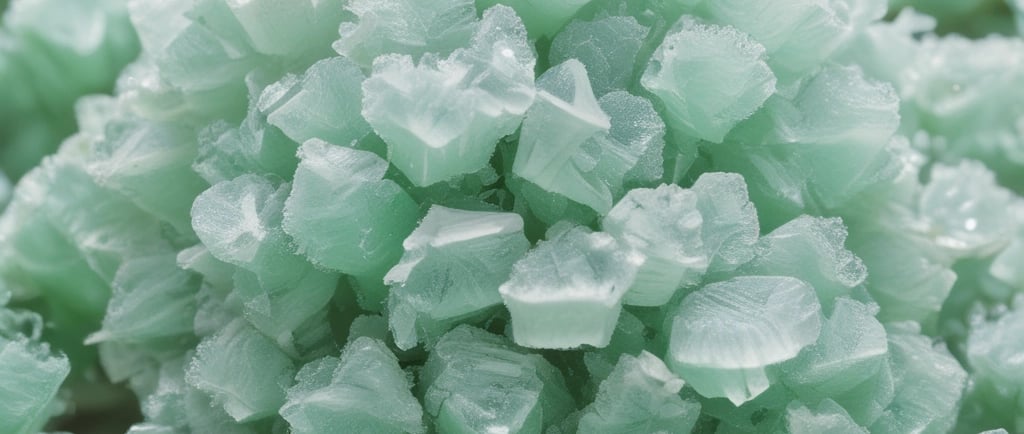
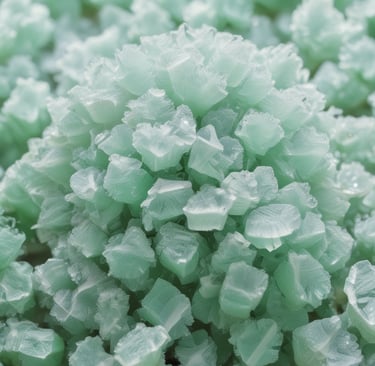
Menthol is a naturally occurring compound primarily derived from mint plants, most commonly Mentha arvensis and Mentha piperita. It appears as colorless or white crystalline solids with a strong, fresh aroma that is instantly recognizable.
In cosmetic science, menthol is classified as a sensory modifier. This means its primary function is not to alter the structure of the skin, but to influence how the skin feels. Its cooling effect is physical and neurological rather than thermal, making it especially valuable in topical cosmetic formulations.
Menthol used in cosmetics can be:
Naturally sourced from mint oils
Nature-identical (synthetically produced but chemically identical to natural menthol)
Both forms are widely accepted in cosmetic manufacturing and regulated for safe topical use.
How Menthol Creates a Cooling Sensation on the Skin
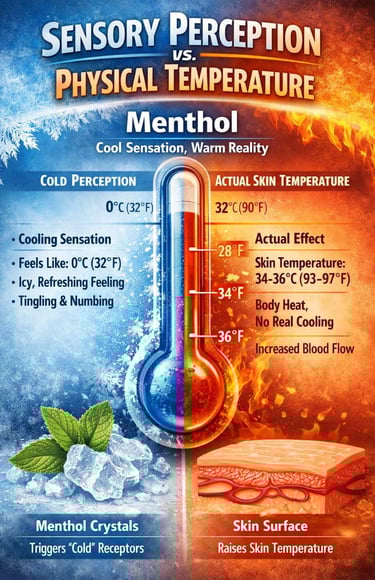
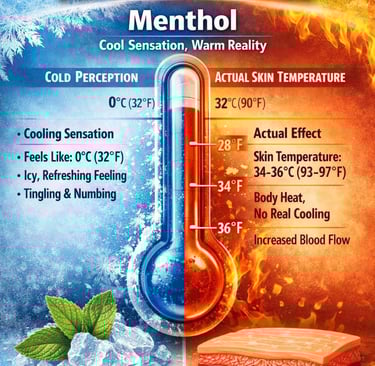
One of the most fascinating aspects of menthol is that it does not actually lower skin temperature. Instead, it interacts with specific sensory receptors in the skin.
Interaction with Cold-Sensitive Receptors
Menthol activates receptors known as TRPM8 receptors, which are responsible for detecting cold sensations. When menthol comes into contact with the skin, it binds to these receptors, sending signals to the brain that mimic the sensation of coolness.
This mechanism explains why menthol can feel cooling even at room temperature and why the sensation occurs almost instantly after application.
Sensory Perception vs. Physical Temperature
It is important to distinguish between:
Perceived cooling (sensory response)
Actual cooling (temperature change)
Menthol creates a sensory illusion of coolness without altering the skin’s real temperature. This makes it particularly suitable for cosmetic products where comfort and sensation are key, without affecting the skin’s natural balance.
Menthol in Cosmetic Products: Purpose and Benefits
In cosmetic formulations, menthol serves several important functions related to user experience and product performance.
Enhancing Skin Comfort and Freshness
Menthol contributes to a feeling of freshness and lightness on the skin. This makes it popular in:
Gels
Massage creams
After-activity skincare products
Foot and leg care formulations
The cooling sensation can help the skin feel revitalized, especially after prolonged activity or exposure to warm environments.
Supporting a Pleasant Application Experience
Beyond cooling, menthol enhances the overall sensory profile of a product. Combined with ingredients such as eucalyptus oil, thyme oil, or oregano oil, menthol helps create a balanced and refreshing topical experience that consumers associate with cleanliness and comfort.
Safety and Concentration in Cosmetic Use
Menthol is carefully regulated in cosmetic products to ensure it is safe and well tolerated when used as directed.
Cosmetic formulations use menthol at controlled concentrations
Products are designed for external use only
Proper formulation ensures the cooling sensation remains pleasant, not overwhelming
When formulated correctly, menthol is suitable for regular cosmetic use and compatible with a wide range of skin types.
Menthol and Modern Cosmetic Formulation Trends
Today’s consumers increasingly seek products that offer sensory satisfaction in addition to cosmetic care. Menthol aligns perfectly with this trend, as it delivers an immediate, noticeable effect without making medical claims.
In modern cosmetic science, menthol is often combined with:
Plant oils
Humectants like glycerin
Lightweight emollients
Gel-based textures
This allows formulators to create products that feel refreshing, absorb quickly, and leave no heavy residue.
Expert Insights: Why Menthol Remains a Key Cosmetic Ingredient
Cosmetic formulation experts continue to value menthol for its reliability, consumer recognition, and sensory performance. Its ability to interact with the skin’s sensory system—rather than altering skin structure—makes it a versatile and safe choice for topical cosmetic products.
As cosmetic science evolves, menthol remains a timeless ingredient, bridging traditional botanical knowledge with modern formulation technology.
For a practical example of how these sensory ingredients are used in modern formulas, see our topical menthol gel: Tiger Gel


Contact
Dermaderm Cosmetic Ltd. Co
Akdeniz Mersin Turkey
Phone
info@tigergel.com
+90-324 324 1196
© 2025. All rights reserved.
Social Media


Fiyto Tiger Gel is a Dermaderm brand; for more information, visit www.dermaderm.com today online now