
Explore Origanum Oil & Eucalyptus Oil in Massage Products
Discover the holistic benefits of origanum oil and eucalyptus oil in cosmetic and massage products. Learn how these botanicals enhance your sensory experiences for a refreshing touch in your wellness routine.
Tiger Gel Editorial Team
12/27/20258 min read


Introduction to Eucalyptus Oil
Eucalyptus oil is a versatile and aromatic essential oil derived from the leaves of the eucalyptus tree, primarily belonging to the genus Eucalyptus. This tree, native to Australia but now cultivated in various regions worldwide, is renowned for its fast growth and distinctive foliage. The extraction of eucalyptus oil typically involves steam distillation, which captures the essential compounds and preserves the oil's vibrant properties. The oil features a fresh, minty, and slightly woody aroma, making it a popular choice in both cosmetic and therapeutic applications.
One of the key components of eucalyptus oil is eucalyptol, also known as cineole, which is responsible for its invigorating scent and many of its beneficial properties. Rich in antioxidants, eucalyptus oil has garnered attention for its potential to soothe and rejuvenate the skin. This oil is increasingly common in a variety of cosmetic formulations, including lotions, creams, and cleansers, thanks to its ability to impart a refreshing sensory experience while offering potential skin benefits.
In addition to its cosmetic uses, eucalyptus oil is highly regarded in massage products. Its unique properties can help alleviate tension and enhance relaxation during massage therapies. The aromatic profile of eucalyptus oil contributes to creating a calm and revitalizing environment, which is essential for stress relief and overall well-being. As consumers become more conscious of the ingredients in their personal care products, the demand for natural and effective substances like eucalyptus oil continues to rise.
In summary, eucalyptus oil stands out for its distinct aroma and myriad uses, embodying the principles of natural wellness in cosmetic and massage practices. Its growing popularity attests to the increasing interest in holistic approaches to beauty and health, making it a noteworthy addition to the world of essential oils.
Eucalyptus oil is a sought-after essential oil, renowned for its therapeutic properties and refreshing aroma. The extraction of this oil originates from the leaves of eucalyptus trees, which belong to the genus Eucalyptus. Among the various species, Eucalyptus globulus, commonly known as the blue gum tree, and Eucalyptus radiata are particularly valued for their high-quality oil. The climate and growth conditions of these trees play a significant role in the quality and quantity of oil produced.
The extraction process primarily involves two methods: steam distillation and cold pressing. Steam distillation is the most common technique used for eucalyptus oil extraction. In this method, steam is passed through the plant material, allowing the oil to vaporize. Once the steam is cooled, it condenses back into a liquid. The eucalyptus oil separates from the water due to differences in density, resulting in a pure essential oil. This method is favored because it preserves the delicate chemical compounds found in the leaves.
On the other hand, cold pressing, although less frequently used for eucalyptus, is a technique that involves mechanically pressing the leaves to extract the oil. This method retains many of the natural properties of the oil, making it a preferred option for other citrus fruits. However, eucalyptus oil is most often derived using steam distillation due to its effectiveness and efficiency.
After extraction, the eucalyptus oil undergoes a refining process to remove impurities. The final product is a clear to pale yellow liquid, celebrated for its fresh, camphoraceous scent and diverse applications in cosmetics and massage products. Understanding the journey of eucalyptus oil from tree to bottle reveals not only the intricacies of the extraction process but also the significance of quality in the final product.
The Sensory Experience of Eucalyptus Oil
Eucalyptus oil is renowned not only for its therapeutic benefits but also for its unique sensory experience, particularly when utilized in cosmetics and massage products. When applied to the skin, eucalyptus oil offers a distinctive aroma that is both refreshing and invigorating, creating an atmosphere of clarity and purification. This characteristic scent is attributed to 1,8-cineole, an active compound found in eucalyptus oil, which is known for its ability to enhance alertness and reduce feelings of fatigue. As the oil penetrates the skin, the fragrance releases an uplifting sensation that can stimulate the senses and promote a feeling of relaxation.
The texture of eucalyptus oil is another highlight in the sensory experience. Its lightweight nature allows the oil to glide smoothly over the skin without leaving a greasy residue. This quality makes eucalyptus oil suitable for various skin types, including oily, dry, and combination skin, ensuring that it can be incorporated into a range of cosmetic and massage products. The ability to absorb quickly not only enhances the skin's hydration levels but also facilitates the rapid onset of the cooling and soothing effects provided by eucalyptus oil.
The refreshing properties of eucalyptus oil extend beyond just its aroma and texture; it is also known for its potential to alleviate discomforts such as muscle soreness and tension when used in massage products. The cooling sensation experienced upon application can evoke feelings of tranquility, enhancing the overall sensory experience. In conclusion, eucalyptus oil's characteristic scent and lightweight texture work in harmony to deliver an invigorating and soothing effect, making it a valuable addition to various cosmetic and massage formulations.
Eucalyptus Oil in Massage Therapy
Eucalyptus oil has gained significant attention in the realm of massage therapy, primarily due to its multitude of therapeutic properties. This essential oil, derived from the leaves of the Eucalyptus tree, is rich in compounds that promote relaxation and enhance the overall massage experience. The inclusion of eucalyptus oil in massage products can provide various benefits, making it a favorable choice among therapists and clients alike.
One of the primary advantages of eucalyptus oil is its ability to alleviate muscle tension. When incorporated into massage oils or creams, eucalyptus oil penetrates the skin, providing a soothing effect on sore or overworked muscles. Its anti-inflammatory properties can help to reduce swelling and discomfort, making it particularly beneficial for athletes or individuals engaging in physical activity. This effect is further enhanced when combined with the kneading motions of massage therapy, allowing for deeper relaxation and quicker recovery.
Moreover, eucalyptus oil is known for its invigorating scent, which plays a crucial role in enhancing relaxation during massage sessions. The aroma has a calming effect on the mind, helping to reduce stress and anxiety levels. This emotional benefit is particularly valuable in today’s fast-paced world, where stress management is essential for overall well-being. When clients experience a massage infused with eucalyptus oil, they not only receive physical relief but also emotional and mental tranquility.
Additionally, eucalyptus oil is often integrated into various massage products, including balms and lotions, specifically designed to enhance the efficacy of massage. These products can provide a cooling sensation that enhances relaxation, while also allowing the therapist to perform techniques more effectively. Overall, the integration of eucalyptus oil into massage therapy holds great promise, offering a refreshing approach to enhancing physical and mental well-being.
Cosmetic Applications of Eucalyptus Oil
Eucalyptus oil has garnered considerable attention in the realm of cosmetics due to its multifaceted benefits. This essential oil, derived from the leaves of the eucalyptus tree, is known for its invigorating properties and can be found in a variety of formulations, including creams, gels, and various body-care products.
One notable advantage of eucalyptus oil in cosmetics is its skin-soothing qualities. When incorporated into creams and lotions, it serves to alleviate minor skin irritations and redness. This can be particularly beneficial for individuals with sensitive skin, as eucalyptus oil possesses anti-inflammatory properties that help calm irritation. Furthermore, its natural antiseptic qualities allow it to play a role in maintaining skin health by combating bacteria and preventing infection.
Another common application of eucalyptus oil is in hydrating gels and body lotions. The inclusion of this essential oil not only enhances the scent profile, providing a refreshing aromatic experience but also contributes to the moisturizing effects of the product. As a result, consumers often find eucalyptus-infused skin-care products delightful to use, further enhancing their overall application experience.
Additionally, eucalyptus oil is often utilized in massage lotions and oils due to its ability to promote circulation. When massaged into the skin, it provides a cooling sensation, which is both refreshing and revitalizing. This effect can help ease muscle tension and improve relaxation, making eucalyptus oil an ideal ingredient for various therapeutic body-care products.
In summary, the incorporation of eucalyptus oil into cosmetic formulations significantly enhances the overall user experience by combining beneficial properties with a pleasant sensory aspect, making it a valuable addition to the cosmetic industry.
Safety and Considerations when Using Eucalyptus Oil
Eucalyptus oil, with its invigorating scent and medicinal properties, has become an increasingly popular ingredient in cosmetics and massage products. However, careful consideration must be taken to ensure its safe application. First and foremost, eucalyptus oil should always be properly diluted before topical application. A typical guideline is to dilute one drop of eucalyptus oil in a carrier oil, such as jojoba or coconut, for every five drops of the carrier oil. This dilution minimizes the risk of skin irritation and hypersensitivity reactions, which can occur in some individuals.
Skin sensitivity varies from person to person, and thus it is advisable to perform a patch test prior to widespread use. To carry out a patch test, apply a small amount of diluted eucalyptus oil on an inconspicuous area of skin and wait 24 hours to see if any reaction occurs. Individuals with sensitive skin or known allergies are particularly advised to approach eucalyptus oil with caution, as they may experience redness, itching, or a burning sensation following contact.
Moreover, certain health conditions can further complicate the safety profile of eucalyptus oil. Individuals with respiratory issues, such as asthma, should exercise additional caution, as inhalation of eucalyptus oil can potentially exacerbate breathing problems. Pregnant and breastfeeding women are also advised to consult healthcare professionals before incorporating eucalyptus oil into their routines, as limited research exists regarding its effects on pregnancy and lactation. In summary, while eucalyptus oil holds various benefits, its proper and cautious use is crucial to prevent adverse reactions and ensure a safe experience for all users.
Conclusion: Embracing Eucalyptus Oil in Daily Routines
Eucalyptus oil has garnered significant attention for its multifaceted benefits in cosmetics and massage products. This natural essential oil, known for its invigorating aroma and therapeutic properties, can enhance not only skin care routines but also overall wellness. By infusing creams, lotions, and massage oils with this aromatic oil, manufacturers are able to maximize their products’ efficacy while providing a refreshing sensory experience.
The incorporation of eucalyptus oil into daily routines can lead to a myriad of advantages. Its antiseptic and anti-inflammatory qualities make it a beneficial addition to skin care, helping to soothe irritations and promote healing. Moreover, for those seeking relaxation and relief from muscle tension, eucalyptus-infused massage oils can serve as an excellent choice, offering both physical and emotional upliftment. The calming scent can help reduce stress, making it an ideal complement to self-care practices.
To embrace the revitalizing benefits of eucalyptus oil, individuals can start by integrating products enriched with this essential oil into their daily regimens. Whether through a refreshing facial toner, a rejuvenating body lotion, or a deeply relaxing massage oil, eucalyptus provides both functional benefits and a sensory delight. The invigorating fragrance also acts as a natural mood booster, adding a refreshing ambiance to the skincare and wellness experience.
In summary, eucalyptus oil holds a prominent place in the realm of cosmetics and massage products. Its ability to nourish the skin, soothe tension, and invigorate the senses positions it as a valuable addition to anyone's daily routine. By embracing eucalyptus oil, individuals can enjoy its numerous benefits while enhancing their overall well-being.
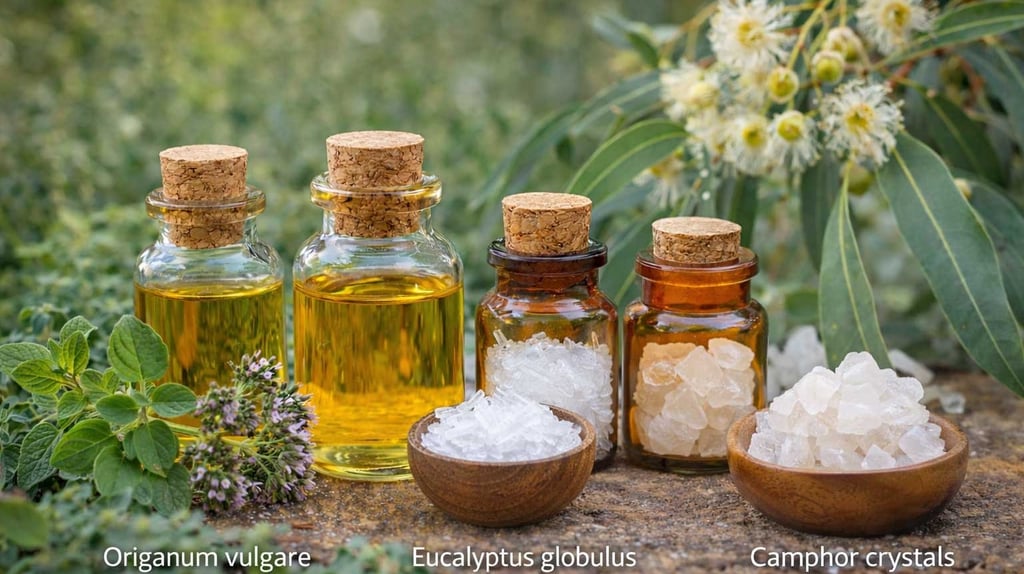
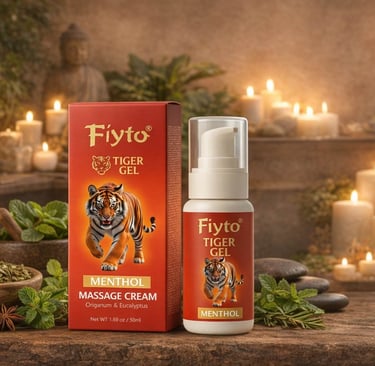
These botanicals are often combined in massage formulations designed to create a refreshing yet comforting sensory experience, such as Tiger Gel Massage Cream, which blends eucalyptus oil, origanum oil, menthol, and camphor for daily body care.



Contact
Dermaderm Cosmetic Ltd. Co
Akdeniz Mersin Turkey
Phone
info@tigergel.com
+90-324 324 1196
© 2025. All rights reserved.
Social Media


Fiyto Tiger Gel is a Dermaderm brand; for more information, visit www.dermaderm.com today online now