
Camphor: Unique Properties in Body-Care Products
Discover the distinctive properties of camphor in cosmetic and massage products. Learn how camphor enhances sensory experiences, supports refreshing massages, and enriches topical formulations in daily body-care routines.
Tiger Gel Editorial Team
12/27/20258 min read
What is Camphor?
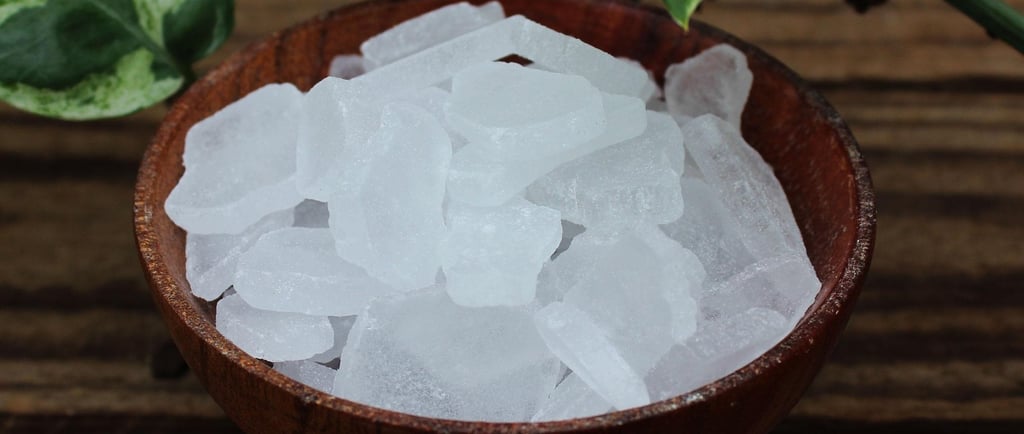
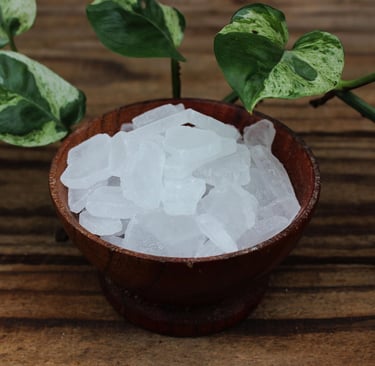
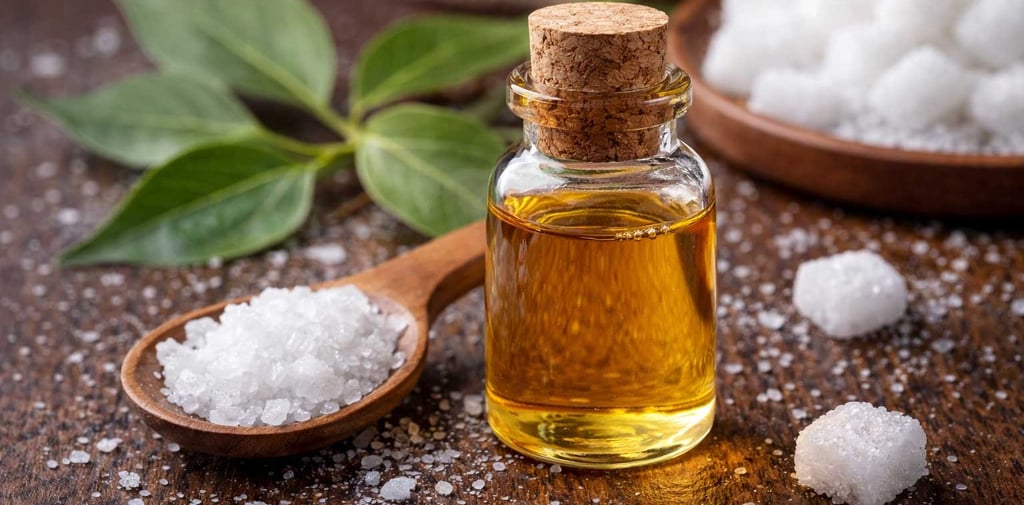
Camphor is a white, crystalline substance that possesses a strong aroma and a variety of applications ranging from traditional medicine to modern wellness products. It is derived primarily from the wood of the camphor tree, scientifically known as Cinnamomum camphora, which is native to Asia, particularly areas like Taiwan and Japan. The extraction process involves steam distillation of the tree’s wood and the oil contained in the leaves, yielding camphor as a key component.
Historically, camphor has been utilized for centuries in various cultures. In traditional Chinese medicine, it has been employed for its potential therapeutic properties, including anti-inflammatory and analgesic benefits. Its presence was often noted in ancient herbal remedies that sought to alleviate symptoms associated with respiratory issues and skin irritations. Similarly, in Ayurvedic practices, camphor has found a place in treatments aimed at promoting healing and soothing pain.
In addition to its medicinal uses, camphor has significant cultural importance. It is frequently used in rituals and ceremonies, symbolizing purification and spiritual awakening. The distinctive aroma of camphor is often associated with temples and places of worship, enhancing the sensory experience of spiritual rituals. While natural camphor remains prevalent, synthetic alternatives have also emerged, particularly in the manufacturing of personal care and massage products. These synthetic forms aim to mimic the properties of natural camphor, catering to a broader array of applications.
Overall, camphor serves as a fascinating example of a natural substance with deep roots in both traditional practices and contemporary wellness solutions, establishing its relevance in various domains of health and culture.
Chemical Properties of Camphor
Camphor is a terpenoid compound, primarily obtained from the wood of the camphor tree (Cinnamomum camphora). The molecular formula for camphor is C10H16O, indicating a structure that includes ten carbon atoms, sixteen hydrogen atoms, and one oxygen atom. This molecular structure contributes to its unique characteristics and applications across various fields, especially in massage and aromatherapy.
One of the most notable properties of camphor is its volatility. Camphor has a low molecular weight and high vapor pressure, which allows it to evaporate quickly at room temperature. This volatility is essential in applications such as aromatherapy, where the sensory effects of the aroma can be leveraged for therapeutic purposes. Additionally, the rapid evaporation aids in the incorporation of camphor into different formulations, such as massage oils, enhancing their soothing effects on the skin.
In terms of solubility, camphor exhibits moderate solubility in alcohol and essential oils but is poorly soluble in water. This characteristic is significant as it dictates how camphor can be blended with other ingredients in massage products. The ability to mix camphor with organic solvents allows for effective incorporation into various creams and oils, providing beneficial effects when applied to the skin.
Furthermore, being classified as a terpenoid, camphor has specific aromatic properties and potential biological activity. Terpenoids are known for their ability to interact with various biological systems, which adds to camphor's effectiveness in therapeutic environments. These properties make camphor a valuable ingredient in massage products, intended for pain relief and relaxation.
Sensory Effects of Camphor: Smell, Taste, and Feel
Camphor, a natural compound derived from the wood of the camphor tree, is well-known for its distinctive and penetrating aroma. This scent is often described as fresh, clean, and slightly medicinal, which contributes to its widespread use in various applications, including culinary and therapeutic products. When inhaled, the aroma of camphor can create a stimulating effect on the senses, often resulting in heightened alertness and improved focus. This sensory experience can also evoke positive associations, contributing to an enhanced emotional state and overall well-being.
When considering the taste of camphor, it is crucial to note that it is not commonly consumed in large quantities. Camphor possesses a strong and pungent flavor that can be described as slightly bitter, which is why it is primarily utilized for its aromatic properties rather than for culinary applications. In small amounts, however, it can impart a unique taste that may be experienced in certain traditional dishes or herbal remedies.
The tactile sensation of camphor is another notable aspect of its sensory profile. Upon topical application in massage products, camphor tends to provide a cooling sensation that can be both invigorating and soothing. This cooling feeling is particularly beneficial for alleviating muscle stiffness and discomfort, making it a favorable choice in massage therapies. These physical sensations can reinforce the psychological effects of the aroma, leading to a more comprehensive therapeutic experience.
Overall, the sensory effects of camphor are multifaceted, involving distinct characteristics across smell, taste, and feel. The synergistic interplay between these sensory experiences contributes to its reputation in various wellness practices, where camphor is appreciated not only for its fragrant qualities but also for its potential therapeutic benefits.
Health Benefits and Therapeutic Uses of Camphor
Camphor, a natural compound derived from the wood of the camphor tree, has been recognized for its numerous health benefits for centuries. Its primary properties include analgesic, anti-inflammatory, and antiseptic effects, making it a valuable ingredient in various therapeutic applications. When applied topically, camphor acts as a pain reliever, alleviating discomfort associated with muscle aches, arthritis, and other inflammatory conditions.
In addition to its analgesic capabilities, camphor exhibits potent anti-inflammatory properties. This attribute is especially beneficial for individuals suffering from conditions such as sinus congestion and respiratory infections. The inhalation of camphor vapors can help to decongest nasal passages, providing relief from symptoms related to colds and flu. Furthermore, it is often included in rubs and ointments intended for relieving chest congestion due to its ability to soothe the airways.
Another notable benefit of camphor is its antiseptic qualities. It helps to disinfect minor cuts and scrapes, preventing bacterial growth and promoting quicker healing. This makes it a common component in various ointments used for treating skin irritations and conditions. In traditional medicine, camphor has been utilized for its ability to combat fungal infections and enhance skin health.
Recent studies have substantiated camphor's efficacy in managing inflammation and pain. Research indicates that it can help reduce the severity of joint pain and improve mobility in individuals with osteoarthritis. Furthermore, camphor's neuroprotective properties have garnered interest in modern medicine, highlighting its potential in treating neurological disorders.
Overall, the diverse therapeutic uses of camphor make it a valuable asset in both traditional and contemporary medicinal practices, showcasing its versatility and effectiveness as a natural remedy.
Camphor in Massage Products: Benefits and Applications
Camphor has long been recognized for its therapeutic properties, making it a common ingredient in various massage products such as oils, creams, and balms. One of the primary benefits of camphor when incorporated into these products is its analgesic property, which helps alleviate pain and discomfort. When applied topically, camphor penetrates the skin to reduce inflammation and enhance pain relief, providing immediate comfort for sore muscles and joint stiffness.
Moreover, camphor promotes muscle relaxation, which is vital during a massage treatment. By soothing tight muscles, it allows for a deeper, more effective massage experience. The application of camphor-infused products encourage an increase in blood circulation. Enhanced circulation not only aids in muscle recovery but also promotes overall skin health, making it particularly beneficial after physical exertion.
Using camphor in massage products offers practical applications for both therapists and individuals seeking self-care solutions. For instance, when using a camphor-infused oil, therapists can create a warming effect that invigorates the recipient's muscles. Incorporating this into techniques like deep tissue massage can greatly enhance the effectiveness of the treatment. Individuals may also benefit from using these products at home, applying a small amount to areas of discomfort to experience relief during relaxation or post-exercise recovery.
It is essential to exercise caution when using camphor, particularly in concentrated forms. Users should ensure that any products chosen are suitable for their skin type and to follow directions provided. In some cases, patch tests may be recommended to avoid adverse reactions and maximize the reparative benefits of camphor in massage applications.
Safety and Precautions When Using Camphor
Camphor, a compound derived from the wood of the camphor tree, is widely used for its aromatic properties and therapeutic benefits. However, it is essential to approach its use with caution to avoid potential side effects and contraindications. The proper utilization of camphor is crucial in massage products to ensure safety and efficacy.
One of the primary concerns regarding camphor is the risk of toxicity, particularly when used in excessive amounts. Symptoms of camphor poisoning can include nausea, vomiting, and, in severe cases, convulsions or respiratory distress. Therefore, it is vital to adhere to recommended dosages and avoid concentration levels that exceed safe thresholds. For topical applications, camphor should be used sparingly and only on intact skin.
Special populations necessitate increased caution. For children, camphor can pose serious risks, and it is often advisable to avoid its use in children under the age of two due to potential respiratory complications. Pregnant women are also advised to consult healthcare professionals before using camphor, as its safety during pregnancy is not well established. Additionally, individuals with certain health conditions, such as liver and kidney impairments or epilepsy, should refrain from using camphor, as it may exacerbate their conditions.
It is also essential to be mindful of the formulation of products containing camphor. Some individuals may experience allergic reactions or skin sensitivities to camphor that can lead to additional discomfort. Thus, performing a patch test before full application is recommended. In summary, while camphor can provide therapeutic benefits, responsible usage and awareness of safety precautions are vital to mitigate risks and ensure positive experiences when incorporating it into massage products.
Conclusion: The Future of Camphor in Wellness Products
As consumers increasingly seek natural and holistic approaches to health and wellness, the role of camphor in self-care products becomes more prominent. Throughout this discussion, we have explored the various properties of camphor, which include its potent analgesic, anti-inflammatory, and aromatic effects. These aspects make it a valuable ingredient in massage products, enhancing both physical relief and sensory experiences.
The growing popularity of natural ingredients, such as camphor, signals a shift in consumer preferences towards products that emphasize holistic well-being. Professionals in the wellness industry are recognizing this trend, as evidenced by the incorporation of camphor in a variety of treatments, from topical applications to aromatherapy practices. This evolution indicates a burgeoning interest in traditional remedies that are perceived to offer safer and more effective alternatives to synthetic products.
Looking ahead, we can anticipate several trends that may shape the future of camphor in wellness offerings. First, with ongoing research, the benefits and applications of camphor are likely to be expanded, revealing new therapeutic potentials. Companies may also focus on enhancing product formulation by blending camphor with other natural ingredients, thus creating unique blends that cater to diverse consumer needs.
Moreover, ethical sourcing practices are expected to become more critical as consumers become more aware of the environmental impact of their purchases. As the demand for transparency grows, manufacturers will need to ensure that their camphor supplies are sustainably harvested and responsibly packaged. This focus on sustainability not only resonates with eco-conscious consumers but also reinforces the integrity of the wellness industry.
In conclusion, camphor is poised to play an increasingly significant role in the landscape of wellness products. Its therapeutic properties, coupled with a shift towards natural ingredients and sustainable practices, suggest that camphor will continue to adapt and thrive in the evolving market of holistic health.
In cosmetic massage formulations, camphor is often combined with ingredients such as menthol and essential oils to create a refreshing sensory experience, as seen in products like Tiger Gel Massage Gel, which is designed for everyday body-care and massage routines.
Contact
Dermaderm Cosmetic Ltd. Co
Akdeniz Mersin Turkey
Phone
info@tigergel.com
+90-324 324 1196
© 2025. All rights reserved.
Social Media


Fiyto Tiger Gel is a Dermaderm brand; for more information, visit www.dermaderm.com today online now